
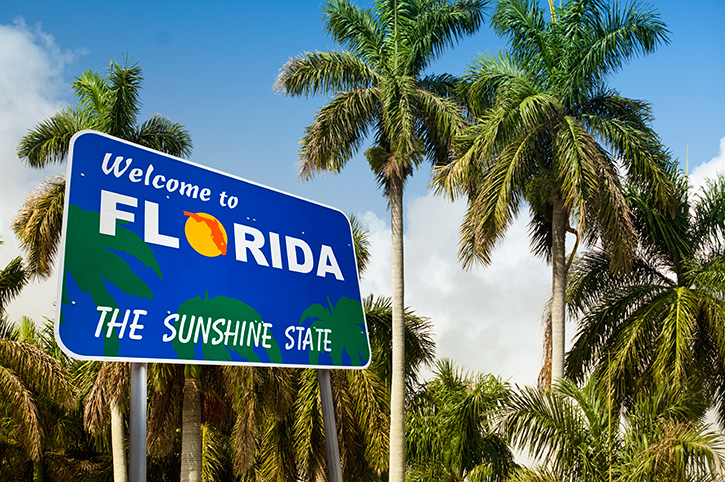
Florida Real Estate: Market Overview, Opportunities, and Trends
Bledi Ismaili
January 6, 2026

Florida real estate continues to be one of the most dynamic and resilient property markets in the United States. Driven by strong population growth, favorable tax policies, and a diverse economy, the state attracts homebuyers, investors, and developers from across the country and abroad. From luxury waterfront properties to affordable suburban communities, Florida offers a wide spectrum of real estate opportunities suited to different budgets and objectives.
Market Drivers and Demand
Several structural factors sustain demand for Florida real estate. The absence of a state income tax, a business-friendly regulatory environment, and a warm climate make Florida a preferred destination for retirees, remote workers, and corporate relocations. Major metropolitan areas such as Miami, Orlando, Tampa, and Jacksonville continue to experience net in-migration, supporting long-term housing demand. Additionally, Florida’s tourism industry fuels short-term rental and hospitality-related investments, particularly in coastal and resort markets.
Residential Property Segments
The residential market in Florida is diverse. Single-family homes dominate suburban and exurban areas, appealing to families seeking space and affordability. Condominiums remain popular in urban cores and coastal cities, especially among second-home buyers and international investors. Luxury real estate, particularly in South Florida, has shown strong performance, with high-net-worth individuals seeking waterfront access, security, and premium amenities.
Affordability varies significantly by region. While South Florida commands higher price points, markets in Central and North Florida often provide more accessible entry points for first-time buyers and long-term investors.
Investment Opportunities
Florida is widely regarded as an investor-friendly market. Rental demand remains robust due to population growth and a large renter base. Long-term rentals perform well in employment hubs, while short-term rentals benefit from tourism-driven locations such as Orlando and the Gulf Coast. Investors are increasingly focused on emerging secondary markets where infrastructure development and job creation are driving appreciation.
Commercial real estate also presents opportunities, particularly in industrial, logistics, and mixed-use developments. E-commerce growth and port activity have increased demand for warehouses and distribution centers, while population growth supports retail and multifamily assets.
Challenges and Considerations
Despite its strengths, Florida real estate is not without challenges. Rising insurance costs, particularly for coastal properties, have become a key consideration for buyers and investors. Environmental factors, including hurricane risk and flood zones, necessitate careful due diligence. Interest rate fluctuations and construction costs also influence affordability and development timelines.
Regulatory considerations, such as local zoning laws and short-term rental restrictions, vary by municipality and can materially impact investment returns. Working with experienced local professionals is critical to navigating these complexities.
Outlook
The outlook for Florida real estate remains positive over the medium to long term. Continued population inflows, infrastructure investment, and economic diversification support sustained demand. While short-term market cycles may introduce volatility, Florida’s fundamentals position it as a stable and attractive real estate market.
For buyers, investors, and developers seeking growth, income, or lifestyle-driven ownership, Florida real estate offers compelling opportunities across multiple segments and regions. Strategic planning, market knowledge, and risk management remain essential to maximizing returns in this competitive and evolving market.
