
Oversized Blazers: The Power Piece Redefining Modern Style
Bledi Ismaili
February 20, 2026

Oversized blazers have evolved from a borrowed-from-the-boys staple into one of the most influential silhouettes in contemporary fashion. Characterized by relaxed tailoring, extended shoulders, and a looser drape through the body, this piece bridges structure and comfort—making it equally relevant for streetwear, business casual, and elevated evening looks.
Several factors have driven the resurgence of oversized tailoring:
The oversized blazer communicates confidence while remaining effortless—an uncommon balance in fashion design.


4
Popular variations include:
Fabric choices range from wool and tweed for colder seasons to linen and lightweight blends for warmer months.
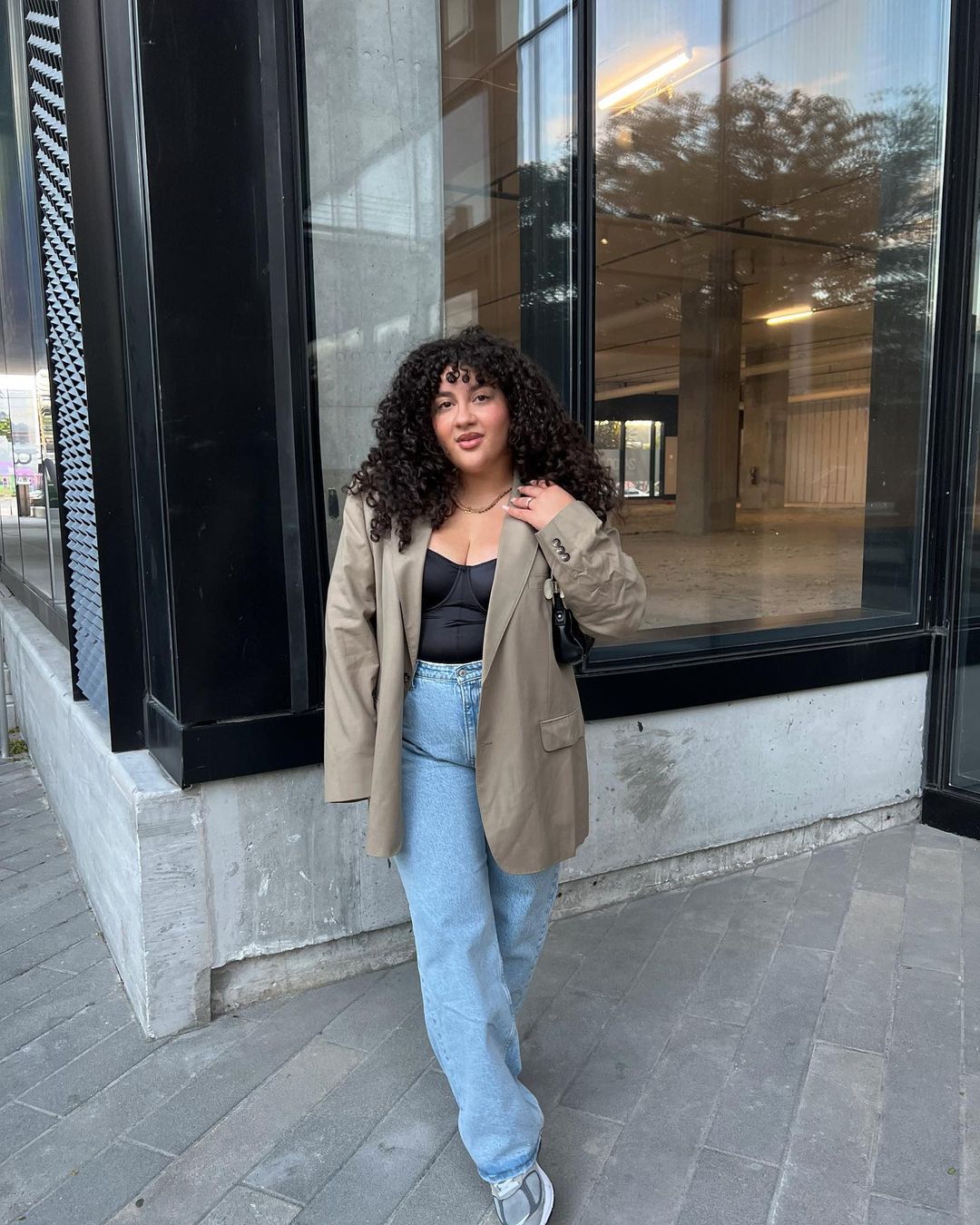
Pair with denim, sneakers, or a simple T-shirt for effortless everyday wear. Rolling sleeves or adding a baseball cap creates contrast between tailoring and streetwear.
Combine with tailored trousers or a pencil skirt to maintain proportion balance. A fitted top underneath prevents the outfit from appearing bulky.
Layer over slip dresses, mini skirts, or monochrome ensembles. Adding a belt can redefine the silhouette and emphasize the waist.


4
When selecting one, consider:
Proportion is critical—the blazer should look intentionally oversized, not simply too large.
Oversized blazers are part of a broader movement toward relaxed tailoring across the fashion industry. As designers continue experimenting with proportions and gender-neutral aesthetics, this silhouette is likely to remain a wardrobe cornerstone rather than a short-term trend.
